
Why Preschool Music Benefits Matter for Growth
Music is more than just sounds and rhythms. For young children, especially preschoolers, music plays a vital role in their growth and development. I have seen firsthand how introducing music early can open doors to creativity, learning, and emotional well-being. Let’s explore why music matters so much for preschoolers and how it can support their journey in many wonderful ways.
The Many Preschool Music Benefits for Young Minds
When children engage with music, they are not just having fun. They are building important skills that will help them throughout life. Preschool music benefits include:
Language development: Singing songs helps children learn new words and sounds. It improves their ability to understand and use language.
Motor skills: Clapping, dancing, and playing instruments develop coordination and fine motor skills.
Memory and concentration: Remembering lyrics and rhythms strengthens memory and focus.
Social skills: Group music activities teach sharing, turn-taking, and cooperation.
Emotional expression: Music allows children to express feelings they might not yet have words for.
For example, when a child learns a simple song, they practice listening carefully, repeating sounds, and moving their body to the beat. These small actions build a foundation for reading, speaking, and even math skills later on.
How Music Supports Emotional and Cognitive Growth
Music is a powerful tool for emotional development. It helps children recognize and manage their feelings. When a preschooler listens to a calm melody, it can soothe anxiety or frustration. Upbeat songs can boost energy and happiness. This emotional connection to music encourages self-awareness and empathy.
Cognitively, music stimulates different parts of the brain. It enhances pattern recognition, sequencing, and problem-solving skills. These are essential for academic success and everyday decision-making.
In my experience, children who regularly participate in music activities show greater curiosity and creativity. They become more confident in trying new things and expressing themselves.
Can Music Help Lower Cortisol?
Yes, music can help lower cortisol, the hormone linked to stress. Studies show that listening to calming music reduces cortisol levels in both adults and children. For preschoolers, this means music can be a natural way to ease tension and create a peaceful environment.
In a busy day filled with new experiences and challenges, music offers a comforting routine. Singing familiar songs or playing gentle tunes can help children relax and feel safe. This stress relief supports healthy brain development and overall well-being.
Parents and caregivers can use music intentionally during transitions, such as before nap time or after a busy play session, to help children calm down and reset.

Practical Ways to Bring Music into Daily Life
Incorporating music into your child’s day doesn’t have to be complicated. Here are some simple ideas to get started:
Sing together: Choose favorite songs or nursery rhymes. Make it a daily habit during playtime or bedtime.
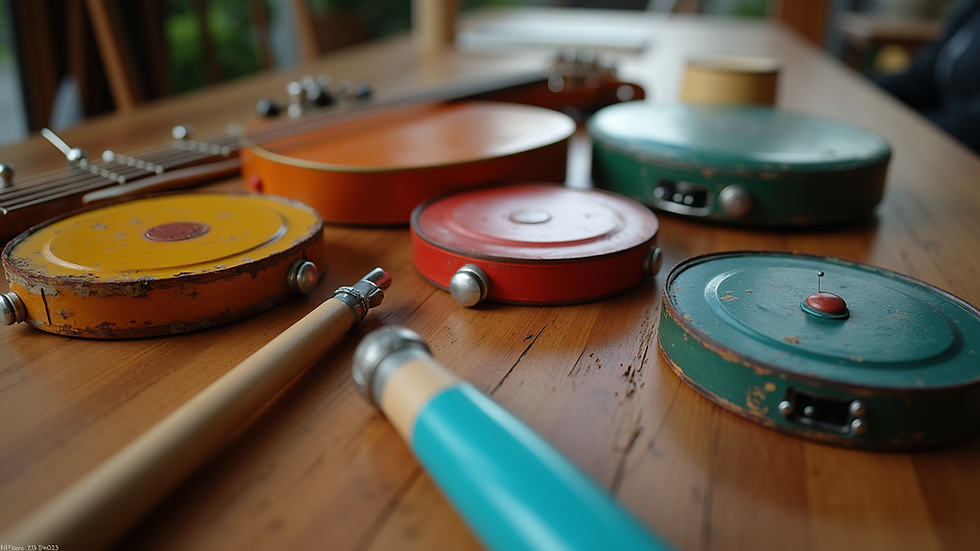
Use instruments: Even homemade instruments like shakers or drums encourage active participation.
Dance and move: Turn on music and dance freely. Movement helps children connect with rhythm and express joy.
Create a music corner: Dedicate a small space with instruments and music books for easy access.
Attend music classes: Group classes provide social interaction and guided learning in a fun setting.
Remember, the goal is to make music enjoyable and stress-free. Let your child explore sounds and rhythms at their own pace. Celebrate their efforts and creativity.
Why the Benefits of Music for Preschoolers Are Worth Exploring
If you want to support your child’s growth in a joyful and natural way, music is a wonderful choice. The benefits of music for preschoolers are backed by research and real-life experience. Music nurtures the whole child - mind, body, and heart.
At Small Hands Studio, we believe every child deserves a chance to discover the magic of music without pressure. Our approach focuses on fun, creativity, and emotional connection. When children love music, they gain confidence and skills that last a lifetime.
Try adding more music to your daily routine and watch your little one bloom in new and exciting ways. Music is not just an activity - it’s a gift that keeps on giving.
Music is a beautiful language that speaks to children’s souls. By embracing it early, we help them grow stronger, happier, and more expressive. Let’s make music a joyful part of every preschooler’s world.


Comments