
Why Preschool Music Activities Matter: The Power of Music and Movement for Young Children
Music and movement are more than just fun ways to pass the time. For young children, especially those from 6 months to 13 years old, these activities play a crucial role in their growth. When kids sing, dance, or play instruments, they are not only enjoying themselves but also developing important skills. In this post, I want to share why preschool music activities are so valuable and how they can help children thrive.
The Benefits of Preschool Music Activities
Preschool music activities offer many benefits that go beyond entertainment. When children engage with music and movement, they improve in several key areas:
Language Development: Singing songs helps children learn new words and sounds. It also improves their ability to listen and understand language.
Motor Skills: Dancing and moving to music strengthen both fine and gross motor skills. Kids learn to control their bodies and coordinate movements.
Social Skills: Group music activities encourage sharing, taking turns, and working together. These moments build friendships and social confidence.
Emotional Expression: Music allows children to express feelings they might not yet have words for. It can be calming or energizing, helping kids manage emotions.
Cognitive Growth: Learning rhythms and patterns in music supports memory, attention, and problem-solving skills.
For example, when a child claps along to a beat, they are practicing timing and coordination. When they sing a song with others, they are learning to listen and respond. These simple actions lay the foundation for many future skills.

How to Incorporate Preschool Music Activities at Home or School
You don’t need to be a music expert to bring music and movement into a child’s day. Here are some easy ways to get started:
Sing Together: Choose simple songs with repetitive words. Nursery rhymes and action songs are perfect.
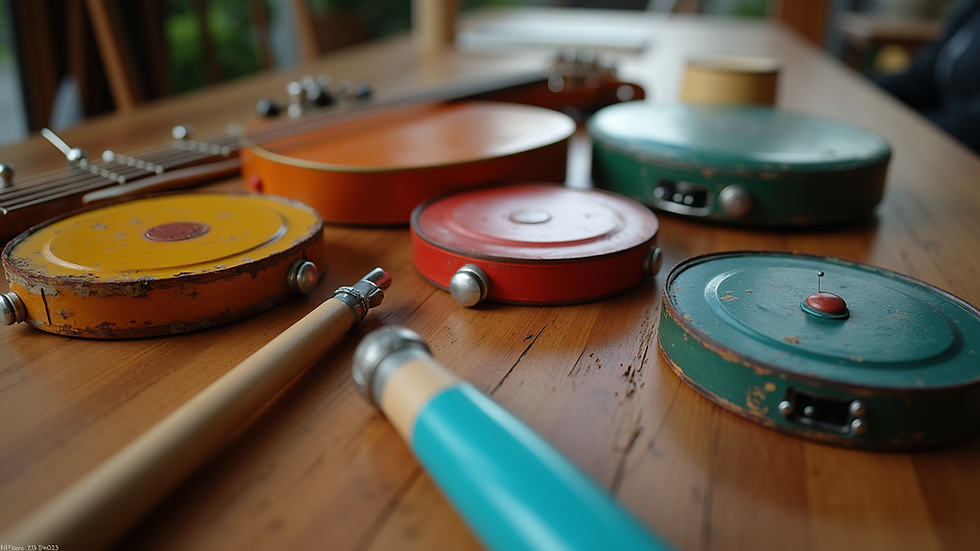
Use Everyday Objects as Instruments: Pots, spoons, and containers can become drums and shakers.
Dance Freely: Play different types of music and encourage children to move however they like.
Play Movement Games: Freeze dance, follow the leader, or musical chairs are fun and active.
Create a Music Corner: Set up a small space with instruments and music players for independent exploration.
These activities can be short and sweet, fitting easily into daily routines. The key is to make music a joyful part of life, not a chore.
What is the Music and Movement Method?
The music and movement method is a teaching approach that combines music with physical activity to support children’s development. It focuses on using rhythm, melody, and movement to engage children’s minds and bodies together.
This method encourages children to:
Explore sounds and rhythms through singing and playing instruments.
Express themselves through dance and body movements.
Develop coordination and balance by moving to music.
Build social skills by participating in group activities.
Teachers and parents who use this method often see children become more confident and creative. It’s a gentle way to nurture a child’s love for music while supporting their overall growth.

Why Music and Movement for Preschoolers Is Essential
When I talk about music and movement for preschoolers, I think about how these activities create a strong foundation for lifelong learning. Children who experience music and movement early on tend to:
Have better listening and communication skills.
Show more creativity and imagination.
Develop stronger emotional intelligence.
Enjoy physical activity and stay healthy.
Feel more connected to others.
Music and movement are natural ways for children to explore the world. They help kids feel happy and confident. When children move to music, they are not just having fun—they are growing in every way.
Tips for Making Music and Movement a Daily Habit
To make the most of preschool music activities, try these simple tips:
Keep it short and sweet: Even 5-10 minutes a day can make a difference.
Follow the child’s lead: Let them choose songs or movements they enjoy.
Be enthusiastic: Your excitement will encourage children to join in.
Use a variety of music styles: From classical to pop, different rhythms keep things interesting.
Celebrate effort, not perfection: The goal is fun and learning, not flawless performance.
By making music and movement a regular part of your routine, you help children build skills naturally and joyfully.
Music and movement are powerful tools for helping children grow. Through preschool music activities, kids develop language, motor skills, social abilities, and emotional strength. These experiences lay the groundwork for a happy, healthy childhood and beyond. So, why not start today? Put on some music, move your body, and watch the magic happen.


Comments