
Music Benefits for Preschoolers: Unlocking Growth and Joy
Music is a magical tool that can open many doors for young children. It’s not just about fun sounds or catchy tunes. Music plays a vital role in the development of preschoolers. When children engage with music, they learn, grow, and express themselves in ways that support their overall development. I want to share with you how music can be a wonderful companion in your child’s early years.
How Music Benefits Preschoolers’ Growth and Learning
Music helps children in many areas of their development. It supports language skills, motor coordination, social interaction, and emotional understanding. When kids sing songs, move to rhythms, or play simple instruments, they are practicing important skills without even realizing it.
For example, singing nursery rhymes helps children learn new words and sounds. Moving to music improves their balance and coordination. Playing instruments encourages hand-eye coordination and fine motor skills. Music also creates opportunities for children to work together, share, and communicate.
Here are some key benefits of music for preschoolers:
Language development: Songs introduce new vocabulary and improve listening skills.
Cognitive skills: Learning rhythms and patterns boosts memory and attention.
Physical skills: Dancing and playing instruments enhance motor skills.
Social skills: Group music activities teach cooperation and turn-taking.
Emotional expression: Music helps children understand and express feelings.
By including music in daily routines, you can create a rich environment that supports your child’s growth in a joyful way.

Why Music Benefits Preschoolers So Much
Music connects with children on many levels. It’s a universal language that speaks to their emotions and imagination. Preschoolers are naturally curious and love to explore sounds. Music taps into this curiosity and encourages creativity.
When children listen to or make music, their brains are actively working. Different areas of the brain light up, helping with skills like problem-solving, memory, and coordination. Music also helps children develop a sense of rhythm and timing, which are important for speech and movement.
In addition, music can be a calming and comforting presence. It helps children regulate their emotions and feel safe. This is especially important in early childhood when children are learning to manage big feelings.
In my experience, children who engage regularly with music tend to be more confident and expressive. They enjoy sharing songs and dances with others, which builds their social confidence.
If you want to explore more about the benefits of music for preschoolers, you will find many resources and ideas to get started.
Can Music Lower Blood Pressure?
While this question is often asked about adults, it’s interesting to consider how music affects children’s physical health too. Music has a soothing effect that can lower stress and anxiety levels. For preschoolers, calming music can help reduce restlessness and promote relaxation.
Studies show that gentle music can slow heart rate and lower blood pressure in adults. For children, music can create a peaceful environment that supports better sleep and reduces tension. This is especially helpful during nap times or moments when children feel overwhelmed.
Using music as a tool to calm children can be very effective. Soft lullabies or nature sounds can help them settle down and feel secure. This gentle approach supports their emotional well-being and physical health.

Practical Ways to Bring Music into Your Child’s Day
Incorporating music into your child’s daily routine doesn’t have to be complicated. Here are some simple and fun ideas you can try:
Sing together: Choose simple songs and sing during playtime or chores.
Dance and move: Play music and encourage your child to dance freely.
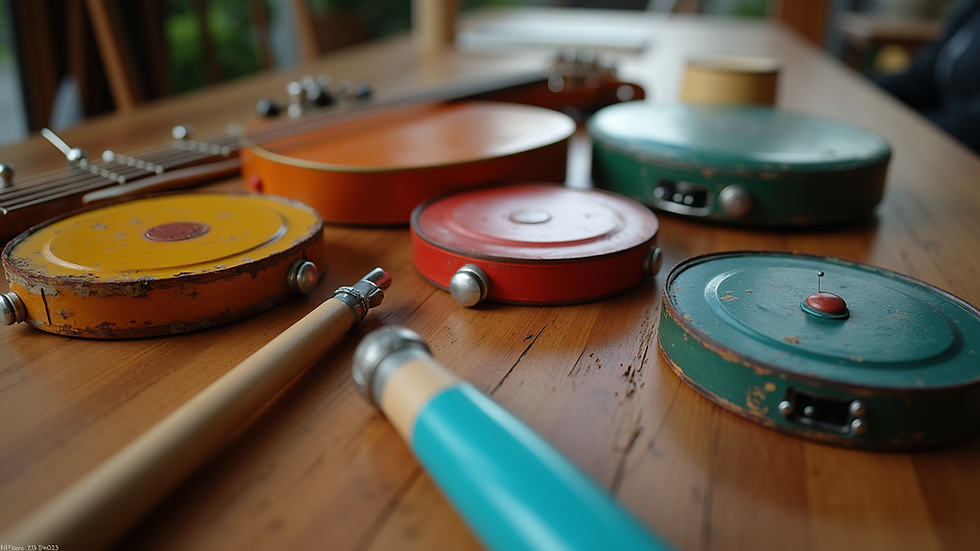
Use instruments: Provide basic instruments like shakers, drums, or xylophones.
Create music corners: Set up a small space with musical toys and instruments.
Listen actively: Play different types of music and talk about what you hear.
Make music crafts: Create homemade instruments using household items.
Join music classes: Look for local or online music sessions designed for young children.
Remember, the goal is to make music a joyful and stress-free experience. Let your child explore sounds and rhythms at their own pace. Celebrate their efforts and creativity.
Music as a Path to Emotional and Social Growth
Music is more than just sound - it’s a way for children to connect with themselves and others. Through music, children learn to express feelings they might not yet have words for. This emotional expression is crucial for healthy development.
Group music activities encourage sharing, listening, and cooperation. Children learn to wait their turn, follow simple rules, and work as a team. These social skills are important for building friendships and confidence.
Music also helps children develop empathy. When they listen to songs about different feelings or stories, they begin to understand others’ emotions. This builds kindness and emotional intelligence.
At Small Hands Studio, we focus on creating a supportive space where children can enjoy music and art without pressure. This approach helps children develop a lifelong love for creative expression.
Music is a wonderful gift for young children. It supports their growth in many ways - from language and motor skills to emotional and social development. By making music a part of your child’s life, you open doors to learning, joy, and connection.
I encourage you to explore the benefits of music for preschoolers and find ways to bring music into your home. Your child will thank you with smiles, songs, and happy dances.


Comments