
The Impact of Music on Preschoolers' Growth: Music Benefits for Preschoolers
Music is a wonderful part of childhood. It brings joy, sparks creativity, and helps little ones grow in many ways. When I think about how music shapes young children, I see more than just fun moments. I see a powerful tool that supports their development. In this post, I want to share how music influences preschoolers' growth and why it’s so important to include it in their daily lives.
Exploring Music Benefits for Preschoolers
Music offers many benefits for preschoolers. It’s not just about singing songs or dancing around the room. Music helps children develop skills that will serve them for life. For example, when children listen to or play music, they improve their language skills. They learn new words, sounds, and rhythms that help with speaking and understanding.
Music also supports motor skills. Clapping hands, tapping feet, or playing simple instruments like drums or shakers helps children coordinate their movements. This kind of activity strengthens their muscles and improves their control over body movements.
Another important benefit is emotional growth. Music can calm a child when they feel upset or excited. It helps them express feelings they might not yet have words for. This emotional connection is vital for building confidence and social skills.
If you want to learn more about the benefits of music for preschoolers, you’ll find many helpful tips and ideas to bring music into your child’s world.

How Music Supports Cognitive Development
Music is a great way to boost brain development in young children. When preschoolers listen to music, their brains work hard to recognize patterns, remember melodies, and predict what comes next. This kind of mental exercise improves memory and attention.
Playing music or singing also encourages creativity. Children learn to experiment with sounds and rhythms. This creative play helps them think outside the box and solve problems in new ways.
Music can even help with math skills. Counting beats, understanding rhythm, and recognizing patterns are all early math concepts. When children engage with music, they practice these skills naturally and enjoyably.
To make the most of music’s cognitive benefits, try simple activities like:
Singing familiar songs together
Playing rhythm games with clapping or tapping
Using instruments to explore different sounds
These activities are easy to do at home or in a classroom and make learning fun.
Can Music Lower Blood Pressure?
You might wonder if music can affect physical health, like blood pressure. Studies show that music can indeed have a calming effect on the body. For adults, listening to soothing music often lowers blood pressure and reduces stress.
For preschoolers, music can help regulate emotions and create a peaceful environment. When children feel calm, their heart rate and blood pressure tend to stabilize. This is especially helpful during nap time or moments of anxiety.
Playing gentle music or lullabies can be a great way to help children relax. It creates a safe space where they feel secure and cared for. This emotional balance supports overall health and well-being.

Practical Ways to Include Music in Daily Life
Adding music to your child’s day doesn’t have to be complicated. Here are some simple ideas to get started:
Sing Together - Choose favorite songs or nursery rhymes. Singing with your child builds connection and language skills.
Dance and Move - Put on lively music and dance around. Movement helps develop coordination and releases energy.
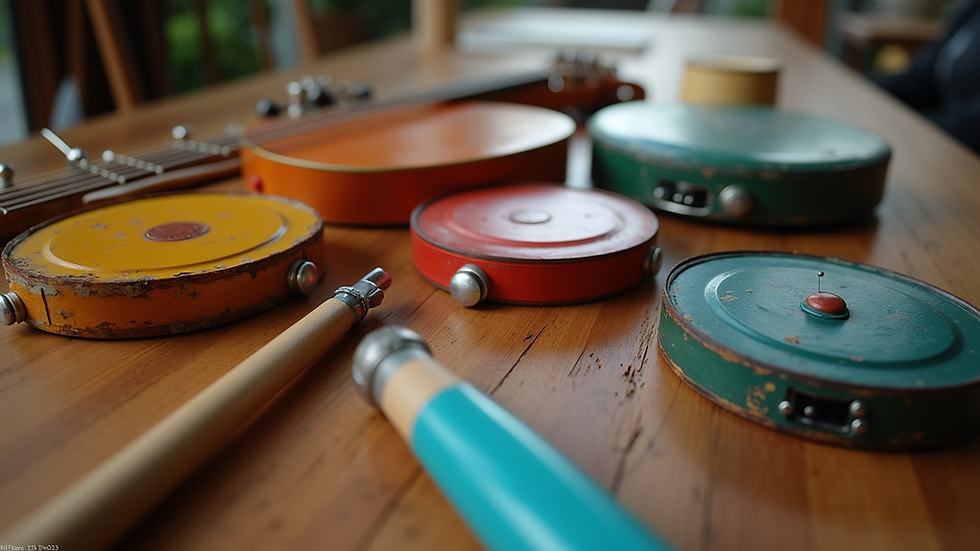
Use Instruments - Introduce easy instruments like tambourines, maracas, or a small keyboard. Let your child explore sounds freely.
Create a Music Corner - Set up a special space with instruments and music books. This encourages independent play and creativity.
Listen Actively - Play different types of music and talk about what you hear. Ask questions like “What instruments do you hear?” or “How does this music make you feel?”
These activities are fun and support many areas of growth. Remember, the goal is to enjoy music together without pressure or stress.
Encouraging a Lifelong Love of Music
Music is more than just a childhood activity. It can become a lifelong passion and a source of comfort and joy. When children experience music in a positive way, they learn to appreciate art and expression.
At Small Hands Studio, we believe in nurturing musical and creative abilities gently. We want children to love music as a way to express themselves and grow emotionally. This approach helps children build confidence and find their unique voice.
By making music a regular part of your child’s life, you give them a gift that lasts forever. It’s a path to happiness, learning, and connection.
Music is a beautiful journey for young children. It supports their growth in many ways - from brain development to emotional health. By embracing music in everyday life, you help your child thrive and discover the joy of creativity. Let’s make music a joyful part of every day!


Comments