
Exploring the Music Benefits for Children: The Many Benefits of Music for Preschoolers
Music is a magical tool that can open doors to creativity, learning, and emotional growth for young children. From the moment babies start to recognize sounds, music becomes a powerful part of their world. As someone who has seen firsthand how music can transform a child's day, I want to share with you the many ways music can benefit preschoolers. Whether you are a parent or caregiver, understanding these benefits can help you nurture a love for music in your little ones.
How Music Benefits Children’s Development
Music is more than just fun sounds and rhythms. It plays a crucial role in a child’s overall development. When children engage with music, they are not only entertained but also learning important skills that will help them throughout life.
Language Skills: Singing songs and listening to music helps children develop vocabulary and pronunciation. Rhymes and repetitive lyrics make it easier for them to remember new words.
Motor Skills: Dancing, clapping, and playing simple instruments improve coordination and fine motor skills. These activities encourage children to move their bodies in new ways.
Cognitive Growth: Music stimulates brain areas involved in memory, attention, and problem-solving. Learning to recognize patterns in music can boost early math skills.
Social Skills: Group music activities teach children how to take turns, listen to others, and cooperate. These experiences build confidence and empathy.
Emotional Expression: Music offers a safe way for children to express feelings. It can calm anxiety or help release energy in a positive way.
By incorporating music into daily routines, you create a rich environment where children can thrive. Simple activities like singing a lullaby or tapping a rhythm together can make a big difference.

Why Music Benefits for Children Are Essential in Early Years
The early years are a critical time for brain development. Music can support this growth in unique ways that other activities might not. When children are exposed to music regularly, they develop stronger neural connections that support learning and creativity.
At this stage, children are naturally curious and eager to explore sounds. Music classes or playful music time at home can:
Encourage listening skills by focusing on different instruments and sounds.
Help children recognize emotions through melodies and rhythms.
Foster imagination by creating stories or movements inspired by music.
Build self-esteem as children master new songs or instruments.
In my experience, children who engage with music early tend to be more confident and expressive. They also develop patience and perseverance as they practice and improve their skills.
Can Music Lower Blood Pressure?
While this question might seem more relevant to adults, it’s interesting to consider how music affects the body at any age. Research shows that music can have a calming effect, reducing stress and lowering blood pressure. For preschoolers, this means music can be a gentle way to soothe and relax.
Soft, slow music or lullabies can help children wind down before nap time or bedtime. This calming effect supports better sleep and overall well-being. Even upbeat music can help release tension and improve mood, which is important for emotional health.
Using music intentionally as a tool for relaxation can be a wonderful addition to your child’s daily routine. It’s a simple way to create peaceful moments and help children feel safe and secure.

Practical Ways to Introduce Music to Your Preschooler
You don’t need to be a musician to bring music into your child’s life. There are many easy and enjoyable ways to make music a part of your daily routine:
Sing Together: Choose simple songs and sing during playtime, bath time, or car rides. Your voice is the best instrument your child will ever hear.
Use Everyday Objects: Pots, pans, and spoons can become drums. Shakers can be made from containers filled with rice or beans.
Dance and Move: Play different types of music and encourage your child to move however they like. This helps develop coordination and rhythm.
Attend Music Classes: Look for local programs that focus on music for young children. These classes often combine singing, movement, and instrument play.
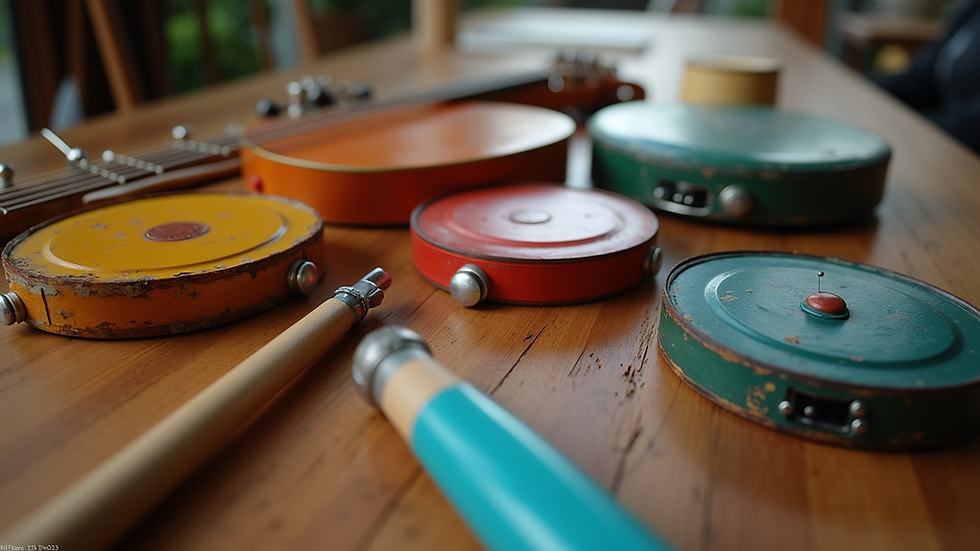
Create a Music Corner: Set up a small area with simple instruments like tambourines, xylophones, or bells. Let your child explore sounds freely.
Remember, the goal is to make music fun and stress-free. Celebrate your child’s efforts and enjoy the moments of connection that music brings.
Encouraging Creativity and Emotional Growth Through Music
Music is a wonderful way for children to express themselves. It allows them to explore feelings they might not yet have words for. When children create their own songs or rhythms, they tap into their imagination and develop emotional intelligence.
Encourage your child to:
Make up their own songs or sounds.
Use music to tell stories or act out scenes.
Share how different types of music make them feel.
Use instruments to express moods like happiness, sadness, or excitement.
By supporting this creative process, you help your child build confidence and a deeper understanding of their emotions. Music becomes a tool for self-expression and emotional balance.
Music is a gift that keeps on giving. It nurtures the mind, body, and heart of young children in ways that are both joyful and meaningful. If you want to learn more about the benefits of music for preschoolers, I encourage you to explore resources and programs that celebrate music as a path to growth and happiness.
Let’s make music a joyful part of every child’s journey!


Comments